A total work of art
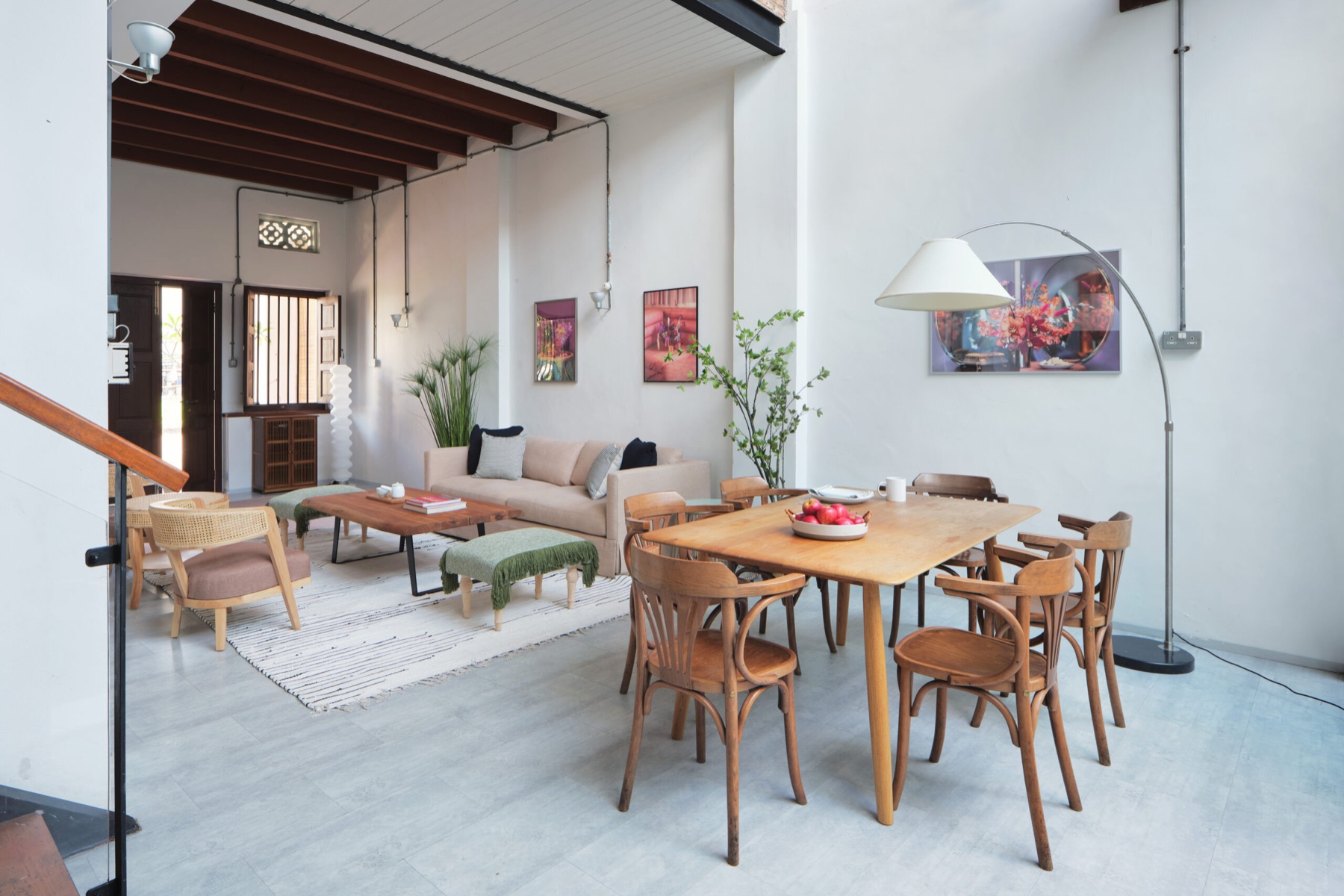
Facade, threshold, verandah or five-foot way, airwell, light, timber, furniture and objects belong to one composition. Inside, the home can be read as a whole.

Singapore's shophouses, black-and-white bungalows and heritage apartments can be total works of art: architecture, light, craft, objects and ways of living brought together under one roof. We invite small groups of Singaporeans to step inside selected homes, hear their stories and carry their best ideas into the way we live now.
Registering interest does not guarantee a place. Invitations, addresses and house notes are sent only after the host confirms the date, route and capacity.
Our heritage becomes shared when people can enter, understand and care for it.
These homes were shaped by generations of people who worked, traded, gathered, worshipped and made Singapore home. Opened with care, they become more than beautiful survivors. They become places where we can see how architecture, craft, objects and everyday life once worked together, and ask what they can teach us now.
Facade, threshold, verandah or five-foot way, airwell, light, timber, furniture and objects belong to one composition. Inside, the home can be read as a whole.
Heritage homes hold practical intelligence about shade, ventilation, density, adaptability and sociability. Their lessons can inspire how we live and build today.
The rooms reveal lives and trades that crossed communities and generations. Access lets more Singaporeans recognise the city as something we made together.
Pride grows from knowledge and care, not nostalgia alone. We can value these buildings as living achievements and choose to carry their best ideas forward.
Singapore has built a strong conservation system. Carefully managed visits can help more people read these buildings as lived places, complete works of design and sources of practical knowledge, not only admired streetscapes.
URA describes an island-wide heritage landscape across more than 100 conservation areas, sustained in partnership with the community.
These buildings link the present city to its past, but many interiors remain outside everyday public experience.
Trails explain the street. Open houses reveal how rooms, objects, craft, climate and family memory worked together behind the frontage.
Public context: URA Conservation and URA's 2026 conserved-building guidance.
Each participating property selects a small mix that fits its history, approved use, physical constraints, household and neighbourhood. Every format helps invited guests look closely, connect the home to Singapore's story and take one useful idea into the present.
A short, host-approved route shows how rooms, thresholds, light, craft and restoration choices work together.
A researched public note, archival images where available, a simple timeline and QR interpretation that remain available after the opening.
Demonstrations and conversations with craftspeople, conservators and longstanding businesses whose knowledge keeps heritage active.
Residents and former occupants bring photographs, memories and corrections. Contributions are recorded only with clear consent.
Small invited school, youth or volunteer groups use architectural observation, objects and oral history to make the past tangible.
A modest talk or workshop asks what one home can teach Singapore about living, building, gathering or adapting today.
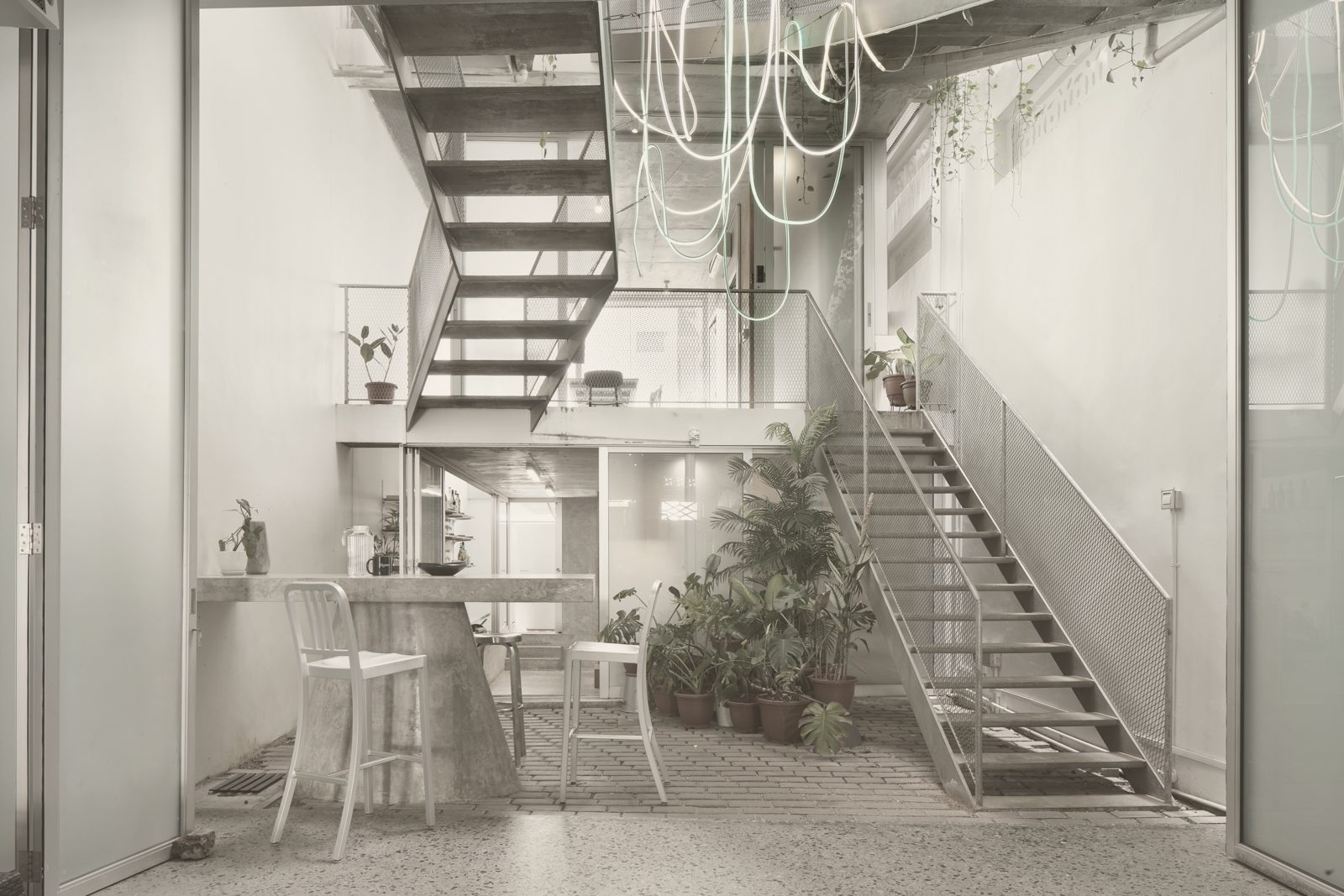
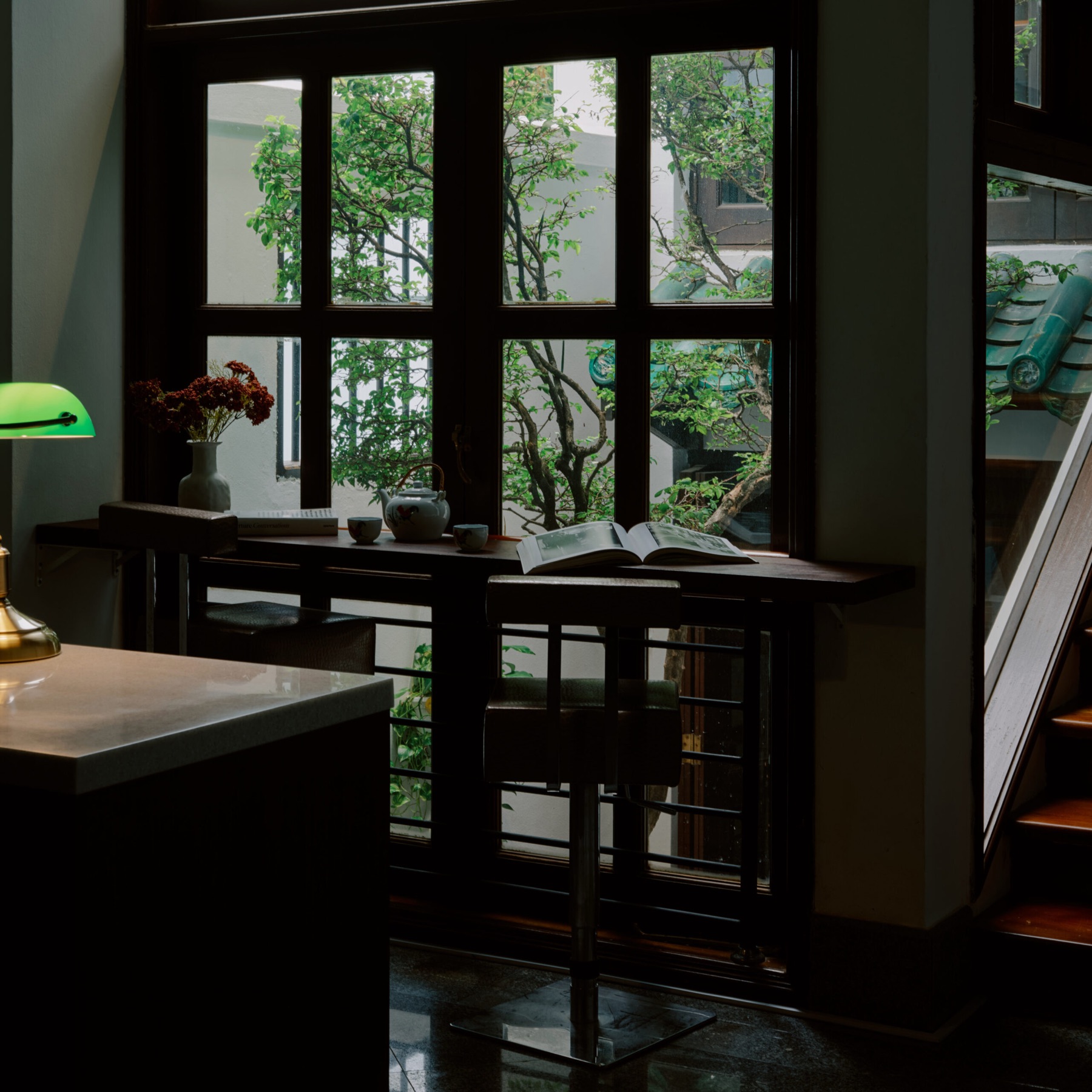
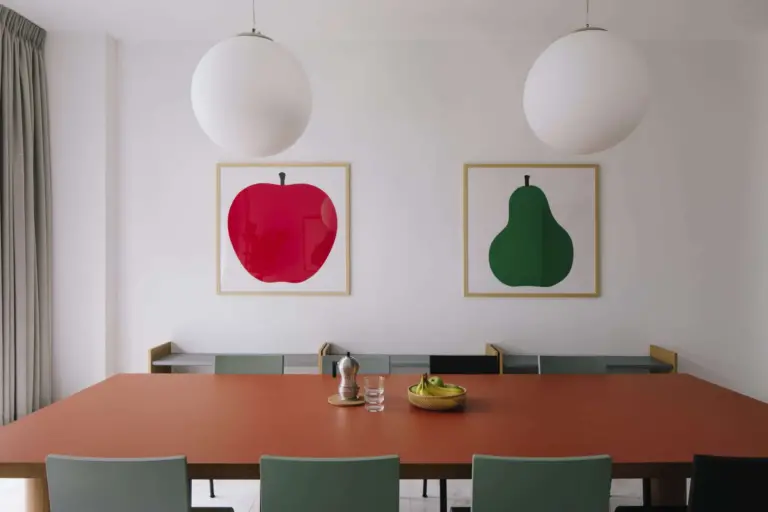
The owner or occupier sets the rooms, stories, private boundaries, frequency and access concerns that matter.
Approved use, landlord or strata consent, lease terms, conservation requirements, fire safety, insurance, capacity and any licences are checked before dates are offered.
A small programme and interpretation plan is prepared with named local contributors, clear consent and documented sources.
Free timed invitations, staggered arrivals, a short route and trained hosts make the visit calm. There are no walk-ins.
A house note and lessons may be published, but no address, image, memory or private detail is shared without the host's consent.
The founding cycle begins with conserved shophouses. We are also keen to explore suitable black-and-white bungalows, heritage apartments, terraces and other privately occupied heritage properties with willing owners or occupiers, appropriate programming and all required landlord, strata and agency consents.
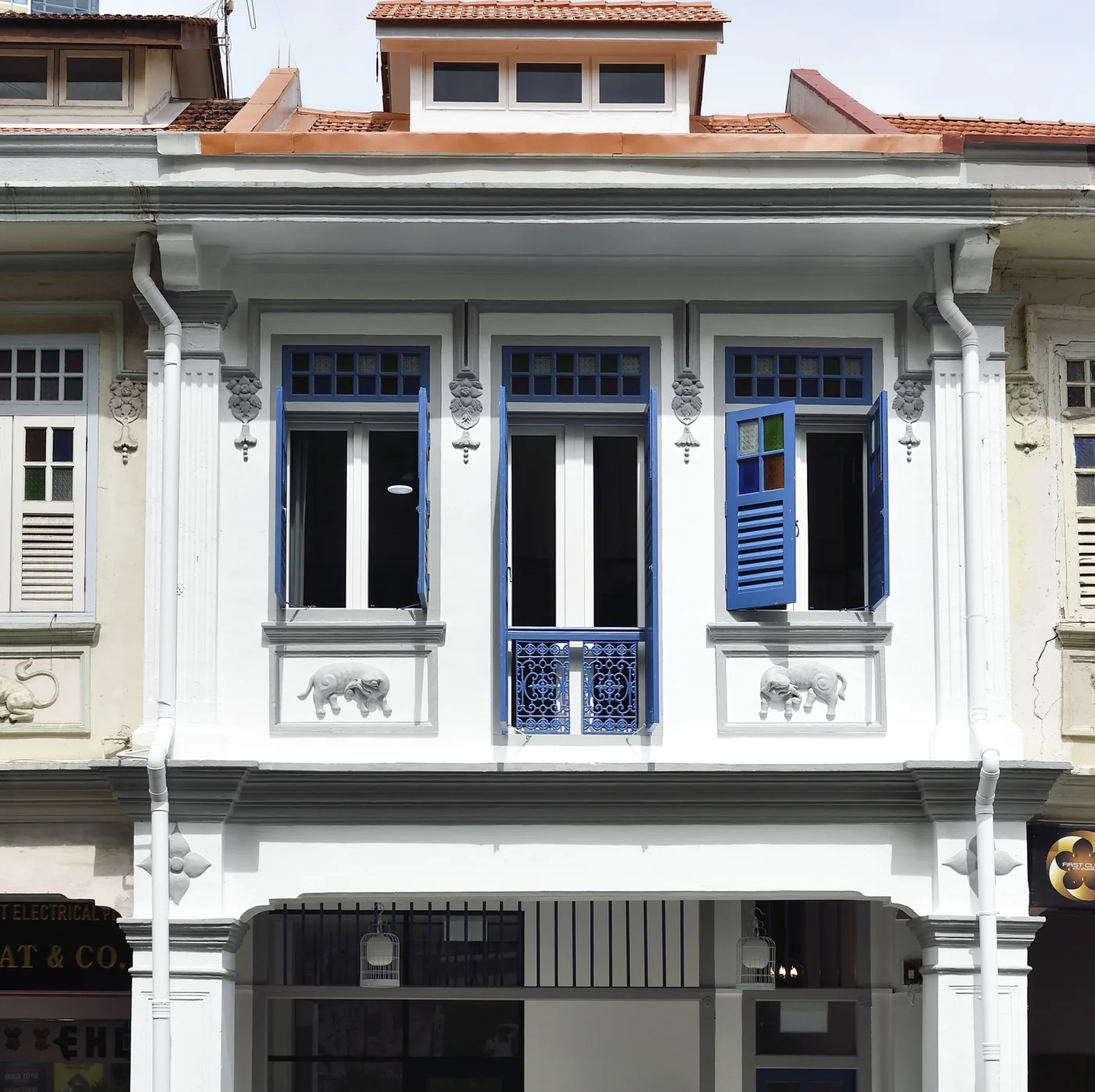
A programme shaped around work, mutual aid, family enterprise and the neighbourhood's living network of trades and communities.
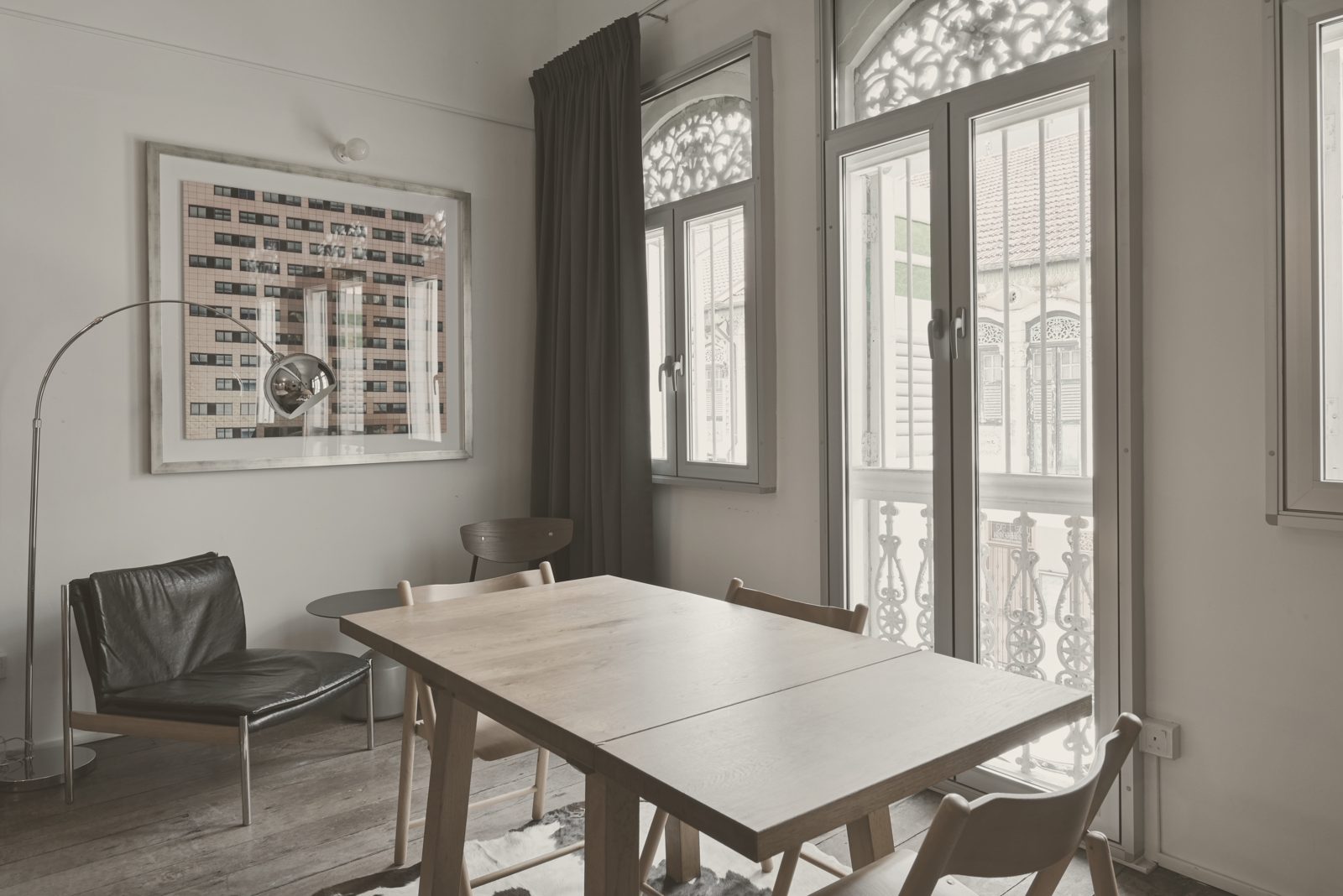
A close reading of shophouse form, everyday domestic life and how sensitive adaptation can keep a whole row useful.
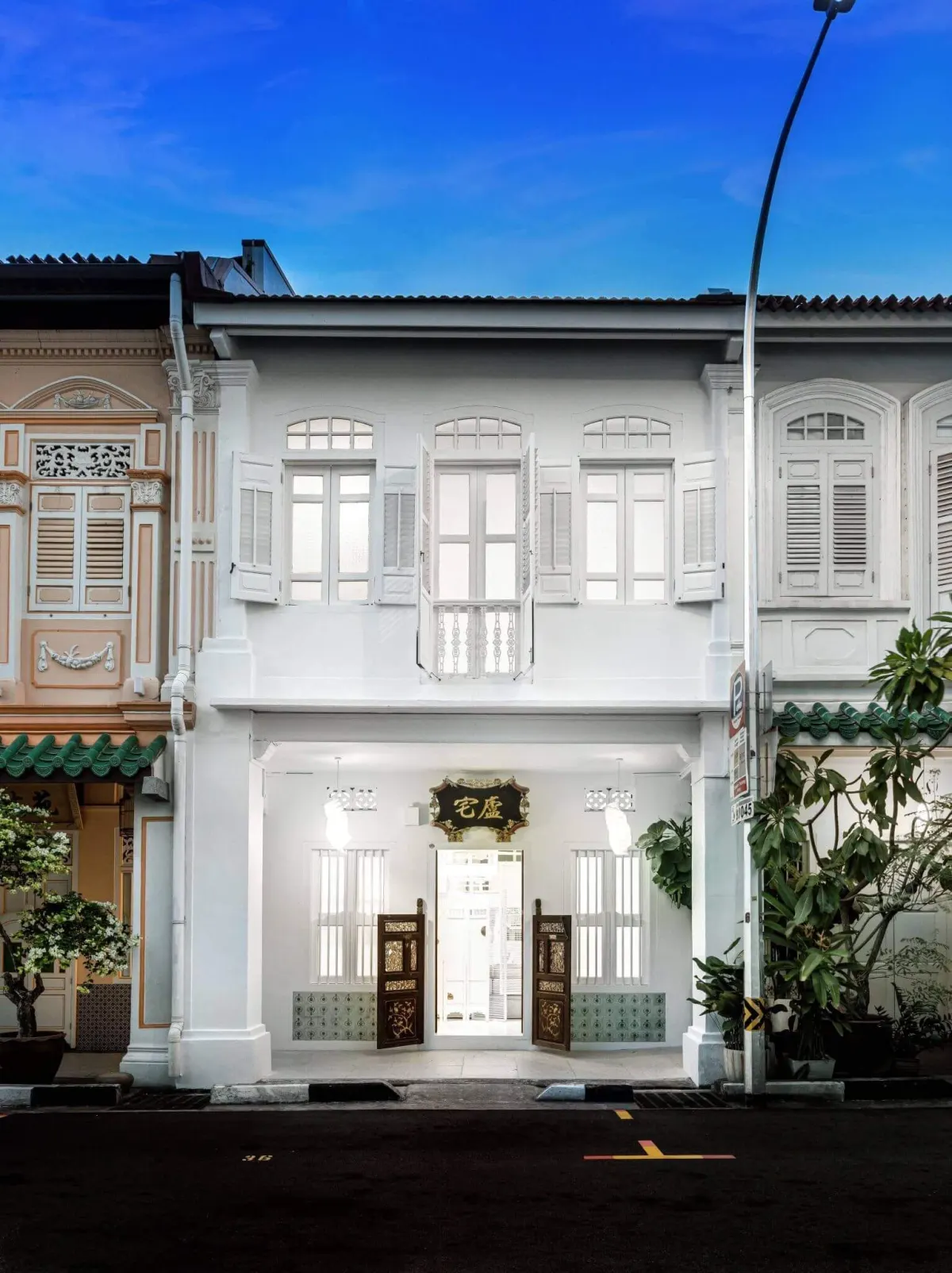
A quieter house-scale programme about domestic interiors, restoration craft and the social memories held by residential streets.
Illustrative starting neighbourhoods only. No property or address is announced until the host agrees. Participation and dates remain subject to household consent, property checks and all relevant permissions.
Invitation management protects homes and neighbours. Free registration, documented interpretation and responsible hosting can still widen access to places that are rarely experienced from within. No government partnership or endorsement is claimed.
A low-intensity model that keeps each property's approved use and neighbourhood context primary. The programme checks whether a proposed visit requires planning, conservation, fire-safety or other approvals before any date is offered.
A possible format for lessees of suitable heritage State properties, including black-and-white houses, to share their history in small groups. Any visit would require the necessary landlord, lease and agency consents.
Free, small-group learning that promotes neighbourhood appreciation and shared stewardship. Interest registration makes invitations discoverable without turning a private home into an open visitor attraction.
This is an independent proposal by The Straits Conservancy. URA, SLA and NHB are not presented as partners or endorsers. Invitation-only is an operating format, not a regulatory exemption. Any activity proceeds only after the property-specific use, lease, consent, safety and approval requirements are checked.
The programme is designed for homes first. Every invitation is shaped around the household, the building and the quiet enjoyment of its neighbours.
No public address, general admission or walk-in access. Confirmed guests receive the visit details privately.
The host sets the capacity, rooms and frequency. A home is never expected to absorb event-scale footfall.
Staggered arrival times and clear instructions prevent queues, street spillover and informal waiting areas.
No amplified sound, public-facing party, commercial launch or street activation is part of a residential visit.
The host can change the route, decline photography, pause participation or cancel a visit at any time.
There are no walk-ins and no public address. You first register interest. When a suitable house and date are ready, selected guests receive a private RSVP invitation. Submitting the form does not guarantee a place.
Yes. The core house visits are intended to be free, with no ticket, purchase or membership required. Capacity remains limited and every invitation is subject to host confirmation.
The aim is very little: small groups, timed arrivals, no queues, no amplified sound and no street activation. No visitor parking is provided, and RSVP instructions discourage driving where appropriate and prohibit waiting or gathering outside. The host may pause or cancel if a visit would disturb the household or street.
No. It is an independent proposal by The Straits Conservancy. The page describes how the model could complement URA, SLA and NHB objectives without claiming endorsement, partnership, funding or approval.
No. Invitation-only describes how guests are managed. It does not override a property's approved use, conservation rules, lease, landlord or MCST conditions, fire-safety requirements, event rules or any required agency approval. These are checked property by property.
We welcome interest from owners or lawful occupiers of conserved shophouses, black-and-white bungalows, heritage apartments, terraces and other private heritage properties. Participation depends on ownership or landlord consent, lease and strata rules, suitability, safe capacity and any required approvals.
Confirmed guests receive an access note before accepting an invitation. The programme prioritises accessible ground-floor content and reasonable accommodations, while stating honestly where conserved fabric, steps or narrow layouts create limits.
Singaporeans interested in visiting, property owners and occupiers, neighbours, researchers, craftspeople, educators, volunteers and public-interest institutions may register. Registering starts a conversation. It does not confirm a property, date, partnership or invitation.
Tell us which path interests you. When a property and date are ready, prospective guests receive a private RSVP invitation. Owners and occupiers can begin with a confidential, no-obligation conversation about their home, boundaries and suitable programming.
To inherit a place is to know it, care for it and carry its best ideas forward.
We will contact you if there is a suitable visit, property conversation or programme-planning step. A visit is confirmed only when you receive and accept a private RSVP invitation.